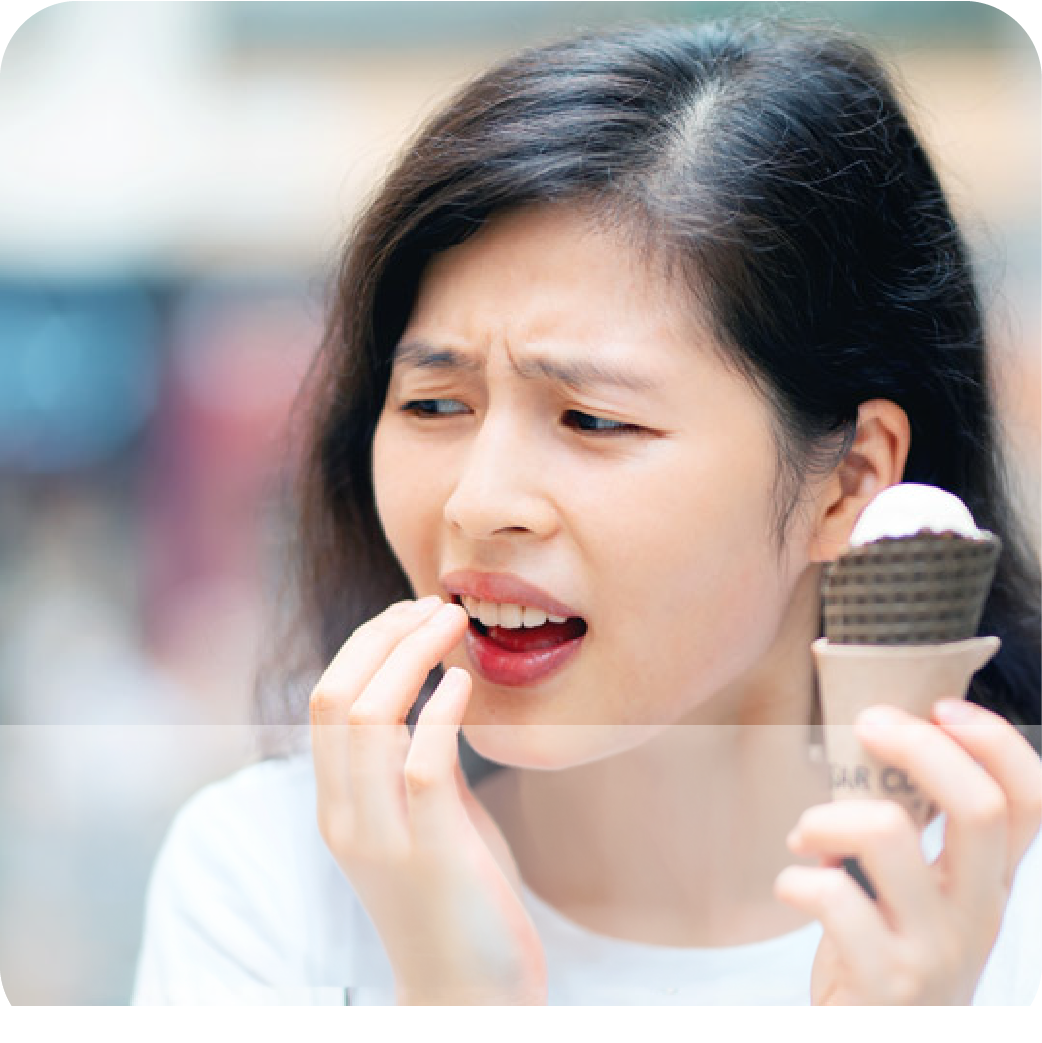
Sensitive teeth can range from a mild twinge to severe discomfort lasting several hours. It can be an early warning sign of more serious dental problems. The condition is most common in people aged 20-40, though it can affect anyone from teenagers to people over 70. Women are more likely to be affected than men.
Sensitivity occurs when the dentine underneath the tooth's enamel layer becomes exposed. The dentine contains pores or tubes that lead to the tooth's nerve, which can be stimulated by temperature changes or certain foods. This exposure usually happens where the tooth and gum meet.
The main causes of tooth sensitivity include toothbrush abrasion from brushing too hard or side-to-side, dental erosion from acidic foods and drinks, gum recession which exposes root surfaces lacking protective enamel, and gum disease where plaque buildup causes gums to recede.
Other causes include tooth grinding (bruxism) that wears away enamel, cracked teeth or fillings, and temporary sensitivity from tooth bleaching treatments. Common triggers include cold or hot foods and drinks, cold air, sweet and acidic foods and drinks.
Dr. Jaise Joy recommends using desensitising toothpaste twice daily, which can be rubbed directly onto sensitive areas. Avoid triggers such as hot, cold, sweet, or acidic foods. Use warm water for brushing if cold water causes discomfort, but don't skip brushing.
Professional treatments include special de-sensitising products applied by your dentist, fluoride gels, rinses, or varnishes painted onto teeth, sealants or fillings applied around the neck of the tooth to cover exposed dentine, and in serious cases, root canal treatment.
For prevention, brush twice daily for two minutes with fluoride toothpaste (minimum 1350 ppm fluoride) using small circular movements with a soft to medium bristled brush. Change your toothbrush every 2-3 months. Have sugary foods, fizzy drinks, and acidic drinks less often, ideally only at mealtimes.
If you grind your teeth, talk to your dentist about getting a custom mouth guard to wear at night. Before tooth bleaching, discuss potential sensitivity with your dentist to prepare properly.